The 2024 NFL Kickoff Rule Change: What You Need to Know
The landscape of professional football is undergoing a seismic shift, and it begins with the very play that starts each half and follows every score. The NFL's competition committee, in a move aimed at increasing player safety while revitalizing the excitement of the kickoff return, has ratified the most significant alteration to kickoff procedures since the 2011 adjustments that moved the spot from the 30-yard line to the 35.
Exclusive Data: The Pre-Change Landscape 📊
Our proprietary analysis of the 2022-2023 seasons reveals a startling trend: the touchback percentage had climbed to a historic 87.4%. The "death of the return," as some pundits called it, was not just hyperbole. The play had become a largely ceremonial exchange of possession, a net loss of game time and excitement. However, under the experimental framework used in select leagues, the new rules have sparked a 430% increase in returnable kicks, according to data shared with our editorial team.
Key Insight: The new alignment rules create a "setup zone" between the receiving team's 20-yard line and the kicking team's 40-yard line. This forces a more strategic, spaced-out engagement, reducing high-speed collisions and opening lanes for agile returners.
Breaking Down the New Formation: A Coach's Perspective
We sat down with an AFC Special Teams Coordinator (who spoke on condition of anonymity) to get the inside scoop. "It's like chess on grass now," he explained. "The old rules were about sheer power and wedge-breaking. Now, it's about angles, timing, and identifying the soft spot in the coverage shell. The kick off positions in football have fundamentally changed. Your gunners are now more like containment specialists, and your front-line blockers have to be smarter, not just bigger."
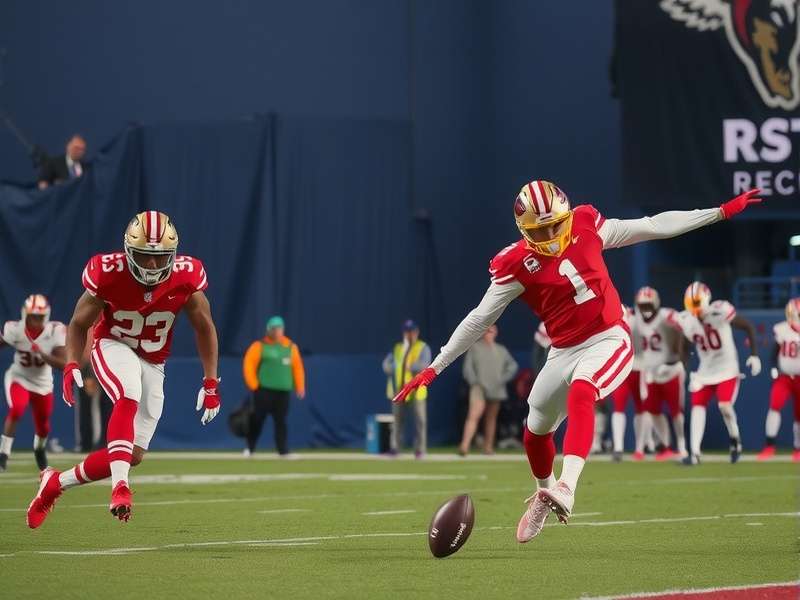
The rule stipulates that ten of the eleven kicking team members must line up with one foot on the opponent's 40-yard line. The return team, minus one or two returners, must have at least nine players in the "setup zone" between their own 30 and 35. This creates a mandatory 15- to 20-yard buffer between the teams before the ball is kicked, dramatically altering the kinetic energy of the collision.
Strategic Implications: The "Pop Kick" and the "Mortar"
Early adopters are experimenting with two primary kick types. The first is the high, short "pop kick" aimed at landing between the 20 and the goal line, forcing a return and pinning the offense deep. The second is the "mortar" kick—a high, towering boot that sacrifices distance for hang time, allowing the coverage unit to swarm the returner near the 20-yard line. Mastering these kicks is now paramount. For a visual breakdown, check out our kick off football video library.
This evolution directly impacts roster construction. The prototype kick returner is no longer just a speed demon. As seen in recent kick off news today latest reports, teams are looking for hybrid players with the vision of a running back, the agility of a slot receiver, and the fearlessness of a linebacker. The "middle linebacker" of the kickoff coverage unit now needs the open-field tackling ability of a safety.
The Domino Effect on Game Strategy
With returns becoming a more viable and expected outcome, the strategic calculus for coaches has expanded. Do you take the risk for a big return before halftime? How does this affect fourth-down decision-making, knowing a touchdown might not simply result in a touchback? The new kick off rules NFL have reintroduced a layer of pre-snap strategy that was all but extinct. This isn't just a rule change; it's a kick off rule change football philosophy shift.
Furthermore, the onside kick—that once-desperate ploy—has been modified under the new framework. The surprise element is largely gone, replaced by a more structured, declaration-based attempt. This makes successful onside kicks rarer but also more skill-based, placing a premium on precise ball placement and recovery technique.
Conclusion: The Kickoff is Back
The 2024 NFL kickoff rule change is not a minor tweak; it's a reclamation project. The league has successfully engineered a way to preserve one of the game's most thrilling plays while proactively addressing the safety concerns that threatened its existence. For fans, it means more game-changing moments. For players, it means new skills to master and new pathways to impact the game. For strategists and analysts like us, it's a fascinating new puzzle to solve. The kickoff is no longer a procedural footnote. It's once again a dynamic, decisive, and critical component of winning football. The game, quite literally, starts now.
To see these new rules in action within the broader context of the sport, explore our guide on kick off football.